


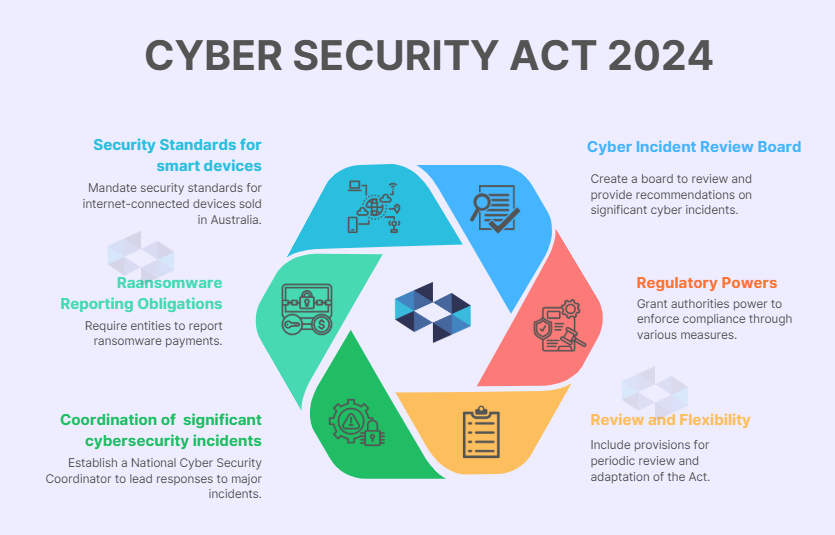
CipherShield stands out with certified experts and deep assessment experience. Our Essential Eight and ASD-approved IRAP Assessors bring technical know-how and hands-on insight, guiding clients from readiness to remediation across government and critical industries.
More than just ticking boxes, we transform findings into actionable strategies that enhance compliance, mitigate risks, and foster lasting security. By combining expertise with real-world business acumen, we deliver actionable results and ongoing protection against evolving cyber threats.
Our approach unifies assessment, strategy, and implementation, ensuring your security grows with new threats and regulations.
Essential Eight Maturity Model
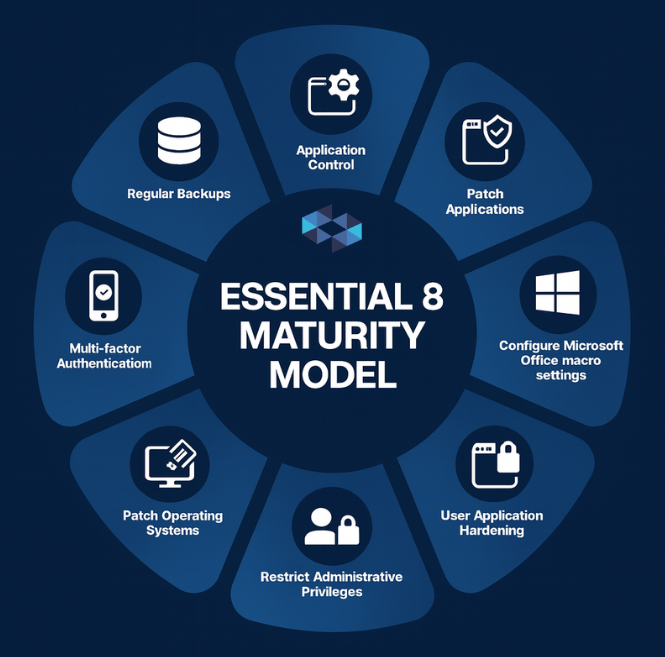 The Essential Eight Maturity Model, developed by the Australian Signals Directorate (ASD), forms the foundation of Australia’s cybersecurity defence strategy. This practical framework consists of eight proven mitigation strategies—from application control to patch management—designed to safeguard against the most prevalent cyberattacks. By embedding these controls, organisations can dramatically reduce their exposure to ransomware, phishing, and privilege escalation threats, creating a stronger and more resilient security posture.
Why It Matters
Implementing the Essential Eight is a strategic investment in your organisation’s security maturity. Beyond compliance, it reflects a proactive commitment to securing systems, protecting data, and maintaining trust. Guided by CipherShield’s experts, your organisation can align confidently with ASD’s recommendations, turning cybersecurity from a defensive necessity into a strategic strength.
Our Approach to the Essential Eight
We integrate the ASD Essential Eight controls into your operations with a focus on measurable, lasting impact. By prioritizing high-value controls and quick wins, we craft a clear, practical roadmap tailored to your business risk and goals. Leveraging ASD-endorsed best practices, we support you through readiness assessments, control deployment—such as multi-factor authentication, patching, and secure configurations—and ongoing monitoring. Our aim is to deliver efficient, transparent implementation that strengthens your cybersecurity posture and drives real business outcomes.
ISM Services
 The Australian Signals Directorate’s Information Security Manual (ISM) provides a recognised, risk-based framework for managing information security across Australian organisations. Built around the pillars of confidentiality, integrity, and availability, the ISM offers a comprehensive approach to protecting sensitive data and supporting organisational trust and compliance.
Why Adopt the ISM?
Adopting the ISM empowers your organisation to move beyond baseline compliance. It demonstrates accountability, enhances stakeholder confidence, and establishes a culture of proactive security governance. Integrating ISM controls allows you to systematically reduce vulnerabilities and maintain a consistent level of protection across all business functions.
Our Approach to ISM Services
CipherShield translates the extensive ISM requirements into clear, practical actions focused on early risk detection, threat mitigation, and embedding resilient controls. We adopt a continuous improvement mindset, aligning your security framework with ASD’s evolving guidance to keep your organisation prepared for a dynamic threat landscape.
Our tailored services include policy development, control implementation, and compliance monitoring, ensuring ISM principles integrate seamlessly into daily operations and support your strategic business objectives.
Information Security Registered Assessors Program (IRAP) Services
 The Information Security Registered Assessors Program (IRAP), administered by the Australian Signals Directorate, connects organisations with qualified assessors who independently evaluate ICT systems against government cybersecurity standards. Through this trusted program, IRAP assessments verify compliance with the ISM and Protective Security Policy Framework (PSPF), ensuring sensitive information remains well protected.
Why IRAP Matters
For government agencies, critical infrastructure operators, and vendors handling sensitive data, IRAP provides assurance of both compliance and capability. It confirms that security controls have been independently verified and meet the expectations of Australia’s highest cybersecurity authorities. This assurance builds trust with stakeholders and confidence in your ability to manage sensitive information effectively.
Our Approach to IRAP Assessments
CipherShield’s ASD-endorsed IRAP Assessors deliver clarity, precision, and actionable insight. We conduct structured reviews to assess your current control environment, identify compliance gaps, and validate alignment with government standards. Our process doesn’t end at assessment—we translate findings into workable remediation strategies and long-term improvement plans that fit your operational context.
CipherShield supports your IRAP journey through every stage—readiness assessment, documentation preparation, control validation, and post-assessment uplift. Our continual advisory ensures that improvements are integrated seamlessly without disrupting core business functions. From preparation to remediation, we provide the expertise needed to sustain compliance and security excellence across your ICT environment.
Defence Industry Security Program (DISP) Readiness & Uplift
The Defence Industry Security Program (DISP) is the Australian Department of Defence’s baseline for trust. It sets whole-of-organisation expectations across governance, personnel security, physical security, and information & cyber security so defence suppliers can handle sensitive work confidently and lawfully. DISP isn’t just an IT exercise; it touches HR, facilities, legal, and operations. Getting it right accelerates tender eligibility, reduces assurance friction, and strengthens your reputation with Defence primes.