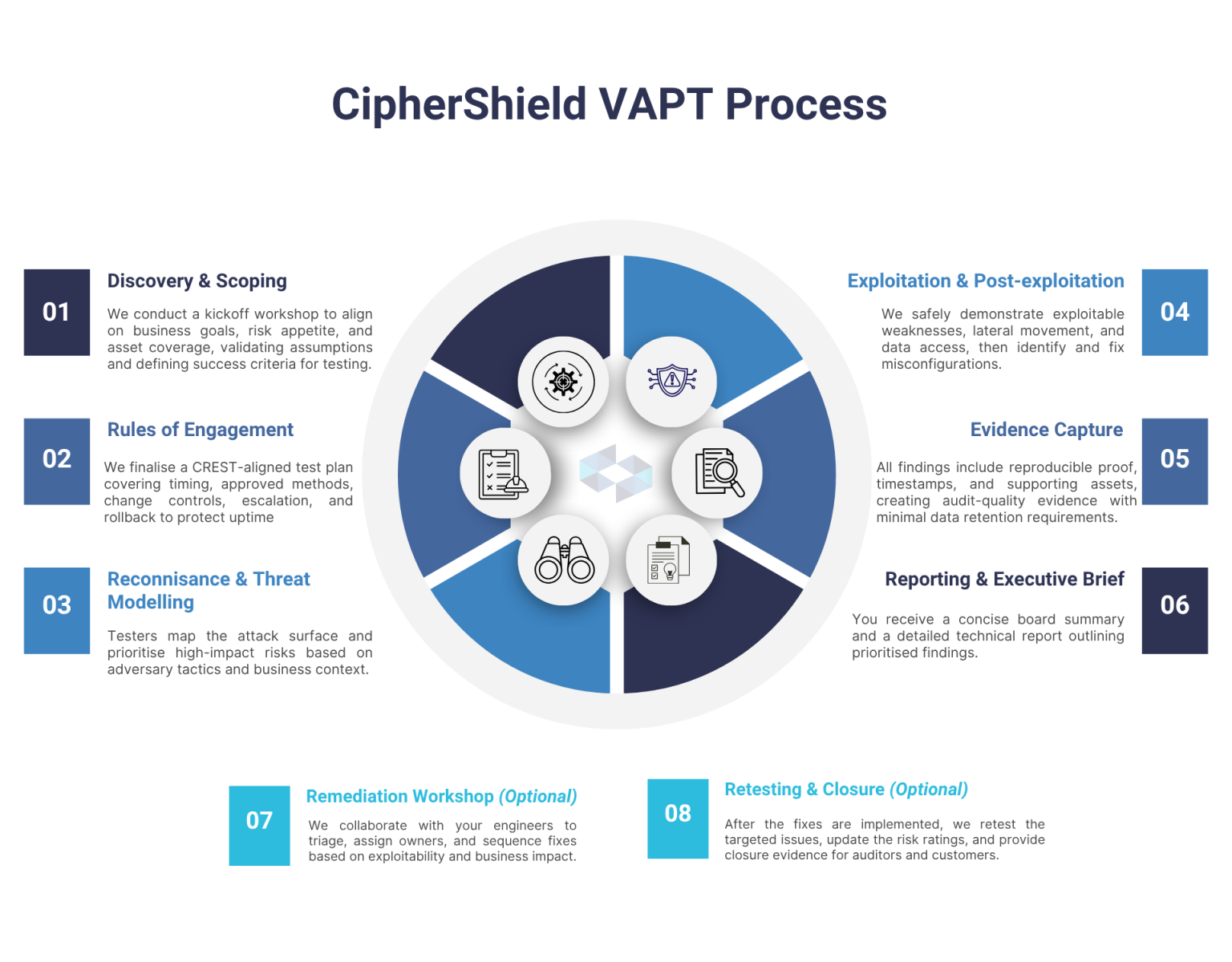

CipherShield is proud to be a CREST International-accredited cybersecurity company, led by certified specialists, including CREST-registered practitioners who embody the highest standards of technical proficiency and professionalism. Our services are crafted around industry-leading frameworks such as the Penetration Testing Execution Standard (PTES), NIST SP 800-115, and OWASP, ensuring assessments are rigorous, comprehensive, and actionable.
Each engagement delivers findings with real-world risk context, reproducible evidence, and clear remediation guidance, all tailored to your environment, whether it is cloud-native, containerised, or heavily API-driven.
As a CREST-accredited provider, we guarantee top-tier quality oversight by experienced professionals who customise rules of engagement to align with your risk appetite and optimise evidence collection for seamless audit reuse.
Vulnerability Assessment & Penetration Testing
 We deliver a comprehensive security validation by combining vulnerability assessments with exploitation-led penetration testing. Our approach spans authenticated internal and external scans, configuration reviews, patch baseline validation, and active penetration of networks, cloud assets, and identity controls.
Manual validation ensures false positives are removed and findings are accurately risk rated with CVSS v3.1. Our tailored remediation plans prioritise fixes by exploitability and business impact, empowering your teams to close gaps efficiently and confidently.
Web, Mobile & API Security Testing
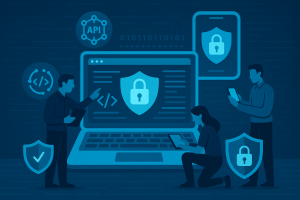 Our specialists perform deep assessments of web applications, mobile platforms (iOS and Android), and API endpoints beyond common vulnerabilities. Using manual, code-aware testing paired with dynamic and runtime analysis, we identify complex issues such as business logic flaws, session mismanagement, and API abuse.
Detailed findings include clear reproduction steps, aligned with OWASP standards, accompanied by developer-ready fixes and custom test scripts—enabling rapid and effective remediation.
Operational Technology & Configuration Security
 We blend ICS/SCADA security expertise based on IEC 62443 principles with hardening reviews of firewalls, routers, SIEMs, IAM, and endpoint defences. Passive asset discovery, protocol analysis, and defensible IT/OT segmentation strategies reduce operational risk while maintaining uptime.
Our configuration audits systematically uncover misconfigurations and fine-tune controls to enforce least privilege, validate logging fidelity, and establish rollback-safe baselines.
CIS Benchmark Compliance & Secure Baselines
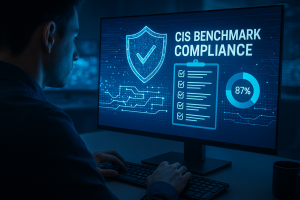 Assessments against CIS Benchmarks cover servers, databases, cloud platforms, and Kubernetes clusters. We provide actionable gap analysis scored by risk, automate guardrails using Infrastructure as Code (IaC), and implement policy enforcement via Terraform and OPA.
This ensures secure baseline configurations persist at scale and respond flexibly to evolving infrastructure.
Threat Hunting & Malware Forensics
 Our threat hunting uncovers stealthy adversaries using recent telemetry and threat intelligence aligned to your sector. Malware analysis in controlled sandboxes reveals attack behaviors, persistence mechanisms, and evasion tactics. Forensic analysis delivers legal-grade evidence from volatile memory captures to timeline reconstruction. Insights feed directly into your detection rules and containment strategies, enhancing your security posture proactively.